
BY: JAMES F. O’NEIL
“A lot of parents pack up their troubles and send them off to summer camp.” — Raymond Duncan
[Music plays]: Hello Muddah, Hello Fadduh. Here I am at Camp Granada.
. . .
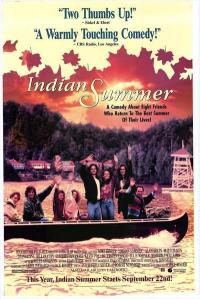
Summer camp. Often looked forward to, by kids and adults both. Most campers fondly recall the experiences long after they reach adulthood. [Make sure you find and see the 1993 film Indian Summer to fondly recall some awakening memoriesofatime: “Indian Summer starts out like one of those reunion movies where friends from long ago gather again, to settle old scores, sort out old romances, open old wounds, and make new beginnings. All of those rituals have been performed by the end of the film, but curiously enough, the movie isn’t really about what happens. It’s about how it feels. This is a story more interested in tone and mood than in big plot points.” –Roger Ebert, April 23, 1993]
NOT ALL HAPPY CAMPERS
Camp is usually a time to make new friends, try new things, come face-to-face with animals, bugs, unusual weather, strange sleeping conditions, and many new responsibilities.
Experiential: Arts and crafts: Yes, potholders, and key fobs. Field trips. Flowers and weeds’ identification.
Music: sing-a longs, campfire songs: “She waded in the water and she got her feet all wet….”; mysterious drum poundings and even dancing.
Water: swimming, boating, rescue; leeches, water bugs, and small water snakes.
Health: Nutrition, meal preparation, outdoor cooking (and camping)–and clean-up duties.
Safety: First Aid, wood carving, rock climbing, sailing.
Potty Training: Constipation from inability to utilize outhouses, or hating Porta Potty/Port-O-Let facilities. (Does eating an entire can of whipped cream really work as a laxative?) I confess here: I dreaded summer Scout Camp for this very reason: I am potty trained, but I need a clean flushing toilet, with my quiet time, my reading time for TIME magazine.

QUIET-TIME BATHROOM READER
After my experiences in summer camp (some of which I have written about previously: https://memoriesofatime.com/2015/05/30/you-are-such-a-boy-scout/), camping was never high on my bucket list. I did some with the family when the boys were young, making sure we camped in a park with adequate running water, and clean toilets. I hope they were never scarred from their own summer camp experiences. One did attend Scout camp, and, later, high school Band Camp. The other experienced summer ROTC camp, and a real “summer camp” in Afghan-Land. (I have learned little about the toilet facilities there.)
Overall, as an old fart looking back at my scouting summer camps, I know it wasn’t that bad. One time we were housed in old military Quonset huts:
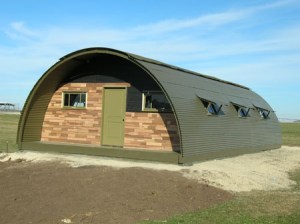 Absolutely the best summer dorms for me–except for the loud snorers who sometimes kept me from falling asleep. Spacious. Lighted (some electricity). And cleaner floors, for some reason.
The other camp facility I liked had a screen door, wood floor, bunk beds; canvas roof, wood sides halfway up, then screening to the top. The canvas roof could be rolled up or down, for heat or light or air, depending on the needs of the resident scouts. Heavy rain could be a problem, however, with overspray into the “cabin.”
Then, of course, the tents. Not tents, as we think tents, but tents with hard floors, soft canvas sides, soft tops. Hot, when Chicago-area summer temperatures were high. But no grass underfoot.
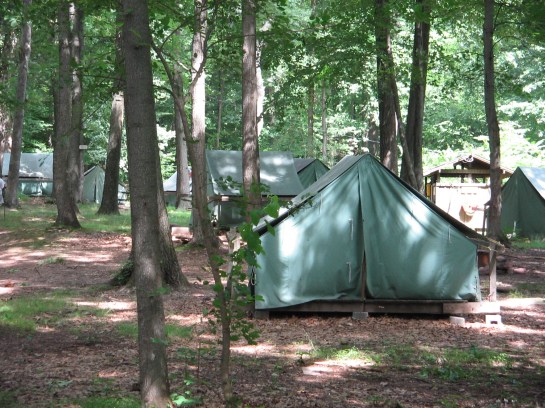
SCOUT FACILITY PICTURE PADUTCHBSA.ORG: THANKS
For excursions, and overnighters, we had those fold-up tents that were put up and taken down in the usual way–the kind that most people associate with camping, bugs, snakes, bears, cold, rain, romantic wilderness trips, bucolics, starry-starry nights, shooting stars, “sitting around the campfire singing Girl Scout songs”–and our sleeping bags, with other Abercrombie and Fitch, Coleman-Stove equipment:
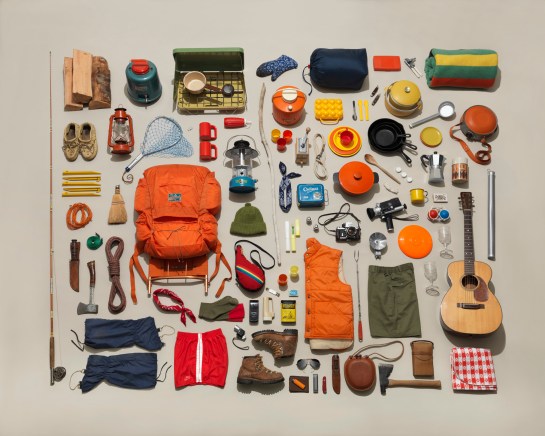
EVERYTHING PICTURE BY JIM GOLDEN
Camp counselors planned our days well: the events were structured to help us get our different merit badges: Camping, First Aid, Botany. I did not do well with plant recognition. To this day, everything is poison ivy; I herbicide anything that looks like a hand.
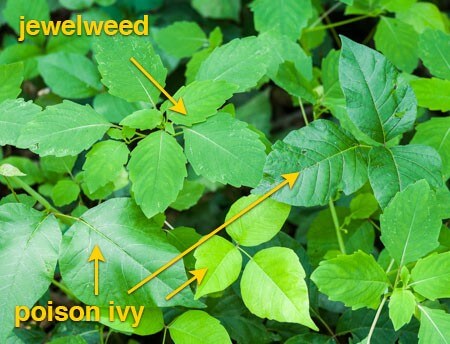
SEE THE DIFFERENCES?
(I do recognize beautiful Queen Anne’s Lace.) The meals were healthy and pretty good–especially, for me, the hot dogs grilled on the campfire. I’m not a fussy eater; I liked nearly everything they put in front of me. I had no trouble with KP duty, cleaning up and doing dishes: my mother taught me well at home.
We arrived at camp on a Sunday; we departed for home on a Saturday morning–unless we were Senior scouts or Eagle Scouts staying for two weeks or more. Parents came on Thursday night for Visitor Night: Campfire, songfest, and crying time by those young’uns who had been away from home for the first time. (I was one of those who cried, but did not want to leave early; some did.)
Glued into my Journal #35, I have this sacred piece of memory, dated 8/11/52, written in ink, in cursive [I was 11]: “Dear Mom, I miss you very much. I wish I was home with you. I lost my new raincoat, we were doing the dishes and I ran out and forgot it. I have so many mosquitoe [sic] bites it isn’t funny. Please come out Thursday and visit me. We are having very good meals. We have to wash the dishes and wait on the Scouts. I washed today at dinner and I serve tommorrow [sic]. I am going for second class. I will be second class (Chuck said) [Chuck was our Assistant Scout Leader] by the time we are out of camp. I miss you very much. With Love, Jimmy XXXXXXXX P.S. I got my Kiwanis Patch Jim XXXXX”
This says it all about Summer Scout Camp 1952.
© James F. O’Neil 2016
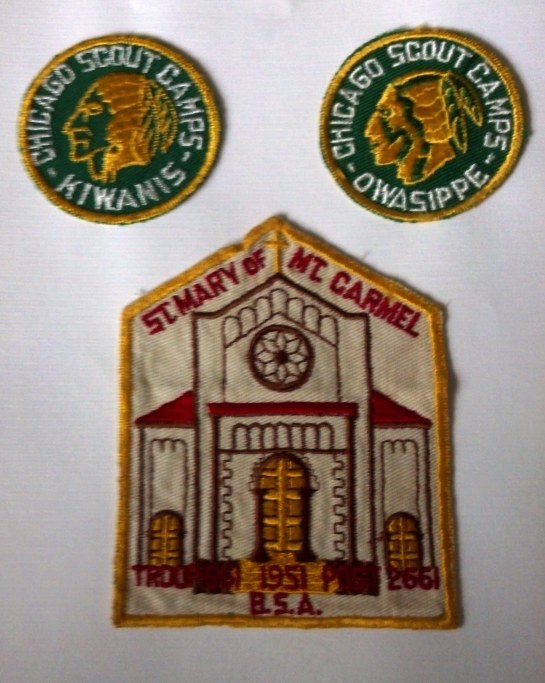
MY SCOUT PATCHES AND SUMMER CAMP BADGES
 No expensive blank-page, hardcover or leatherette book: use notebook paper, a speckled notebook, or some similar writing book. (Avoid notebooks wire-bound that flatten or break or can scratch or poke.)

 Mom Relaxing on Swing, Ohio Cottage 2008
 Memories of a Time