Archive

GROWING UP

BY: JAMES F. O’NEIL

“The musical film is a film genre in which songs sung by the characters are interwoven into the narrative, sometimes accompanied by dancing. The songs usually advance the plot or develop the film’s characters, though in some cases they serve merely as breaks in the story line, often as elaborate production numbers. Typically, film musicals use lavish background scenery and locations. In such films, performers often treat their song and dance numbers as if there is a live audience watching.” [Wikipedia]

I was raised with the movies, black and white and then color. I still spend much time with movies, reading about film and films, though as I have gotten older, I hardly ever go to an actual movie theater, relying on other resources for my viewing pleasure.

An avid moviegoer since I can remember, I vividly recall attending my first CinemaScope 55 film Carousel.

cinemascope 55

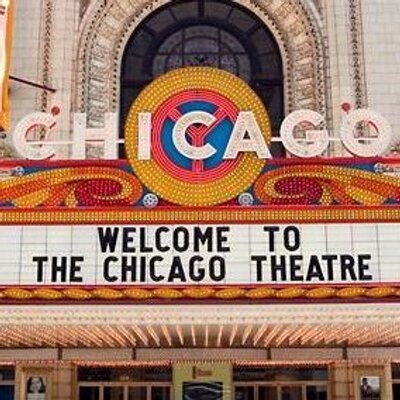
Sometime in 1956, I had a Sunday-afternoon-experience with my mother, which included an L ride in Chicago, and the movie Carousel at the Chicago Theater:

chicago theater welcome

That was the “real” beginning. Since then, I have been mildly addicted and affected by the grand opening spectacle of this color film: 20TH CENTURY FOX, blazing out to me, with full orchestration.

20th century fox

(To this day, I get thrills when a film opens with this icon. Memories.)  Mesmerized, to say the least: In CinemaScope, the story, the music, and the production numbers were alive for me on that huge big screen. I was awestruck, not being familiar with this beautiful theater and with such a spectacle.

carousel_poster

I laughed and cried and moved with the music; I was saddened by the story. But a profound moment came for me at the end, when I, a mere fifteen years old, was told “You’ll never walk alone.” To this day–and most recently–I watch the movie, still fresh, sad, enlightening, with its tear-making choral finale. A classic, that has certainly withstood the test of time.

After seeing the movie, I could hum many of the songs; I knew then I had to have the music for my music library. My mother bought for me the small boxed-set in 45 rpm, for use in my portable carry-along phonograph. Later I purchased a 33 1/3 LP edition [and now have the CD and DVD].

Carousel_film_1956

I love movies. To that memory-of-a-time in 1956, I attribute my love and appreciation of so many kinds of film. Ultimately, I have come to possess my list of favorites–which changes as time passes and new films and movies are produced. However, one thing for sure, Carousel will always remain at the top of that list.

© James F. O’Neil 2015

 chicago theater by jeffB at flickriver

 Chicago Theater (by JeffB at flickr)


BY: JAMES F. O’NEIL

“Wow! That really tastes good,” I said to Jimmy Pappas so many years ago, so many long years ago. I had just had my first taste of a Green River malted milk shake. What a treat and delight that was.

Who would have ever thought of marrying one of the greatest flavors made by man–malted milk–to Green River soda? A marriage made–in heaven?

No, a marriage performed often at the Pappas Ice Cream Shop, at the corner of 55th (Garfield Boulevard) and Halstead. In the Byrne Building.

BURNS BUILDING  Pat Telios Reagan

 Byrne Building.  Credit Pat Telios Reagan 

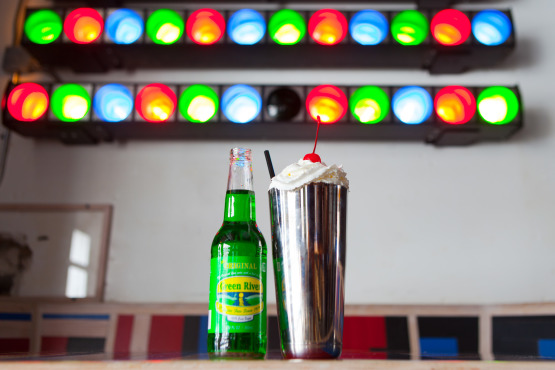
And I was the Best Man, along with my friend Bill Manion. There we sat, in the booth, savoring the minty-looking thick green malted milk shake in the tall ice-cream-parlor glass, with melting drippings running down the sides of the metal mixing container. Ahhh, a Green River malt (-ed milk shake).

green river malt

Yum! So far from “the next best thing to sliced bread!”

It was heaven for us ice cream lovers (I still am) who would choose wisely between “a malt” or a hot fudge sundae. Choose wisely. Tastefully.

milk shake glasses ebay

Milk Shake glasses [eBay]

Marriage: two entities who come together and pledge (“plithe their troth”–whatever that used to mean) to … standing before a minister (administer) of the state.

Jimmy Pappas was our minister. Bill and I sat, ready to partake in the marriage, not of two vines (as some wines and brandies are known as), but of a blend of the finest ingredients: icy cold vanilla ice cream, Horlick’s malted milk powder, and Green River soda fountain syrup flavoring (and color). “Blend and serve chilled in a …”

milk shake mixer tin

(As many know, or remember, “a malted milk shake” has that special powder, that “strengthening medicine” [malt extract] told Kanga to Roo in The House at Pooh Corner, and was also Tigger’s favorite food in the book.)

 horlick's ad pinterest

Horlick’s ad from Pinterest

Pharmacist James Horlick developed ideas for an improved, wheat and malt-based nutritional supplement for infants. With his brother William, in 1873 they formed J & W Horlicks, manufacturing an infant food in Chicago. In 1887 the company marketed its new product, trademarked the name “malted milk.” (See Wikipedia for more history.)

Like Ensure today, and similar drinks, malted milk found unexpected markets, customers drinking the new beverage for enjoyment. So malted milk became a standard offering at soda fountains, and found greater popularity when mixed with ice cream in a “malt.” “Malt shops” owe their name to the Horlick brothers. Additionally, I used to buy jars of malted milk tablets, chewing them like candy, making a glob of them in my mouth to suck on and melt away. Yummy!

horlicks white tablets

Now, add the Green River syrup:

At the time of Prohibition, Green River soda was introduced to Midwestern drinkers when some breweries turned to making nonalcoholic drinks, while others were churning out ice cream. The Schoenhofen Edelweiss Brewing Company of Chicago turned to Green River in late 1919 as a non-alcoholic product that became popular as a soda fountain syrup, “trailing only Coca-Cola popularity throughout the Midwest.” However, after Prohibition ended in 1933 the Schoenhofen Brewery made Green River a second priority to alcoholic drinks. (The Brewery closed in 1950.) [Wikipedia]

Green River aficionados know that it’s not just another soda; it’s nostalgia in a bottle, being found at St. Patrick’s Day (being produced by WIT Beverage Company) and in some Chicago-area restaurants.

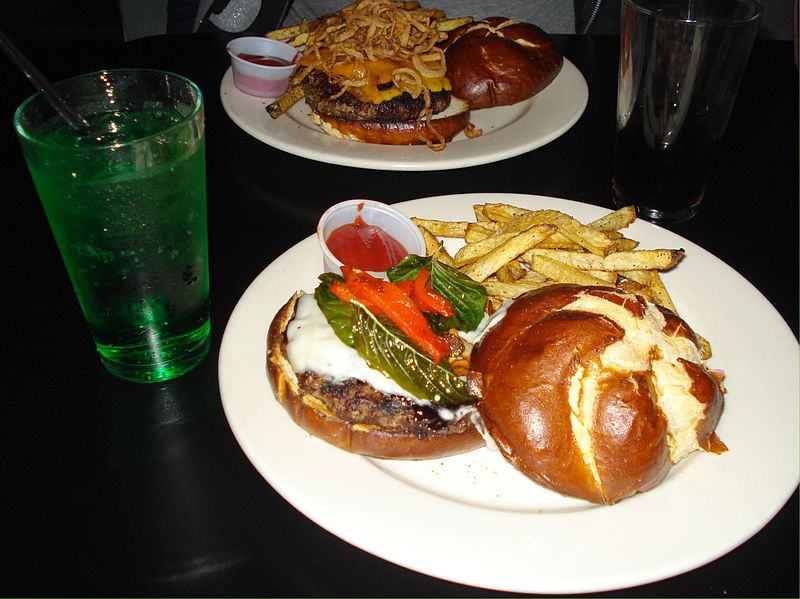
GREEN RIVER AND BURGER WIKIPEDIA

“With a Green River, please.”

We acquire tastes, our taste buds–and brain–telling us what we like: carbonated water, cane sugar, lime flavor, some lemon flavor, and all the special colors that are used to make it “look good.” Some do not like drinking something green or tasting lime-y.

But Jimmy Pappas put my mind at ease, and my taste buds accepting something green that was not mint-y. At first, the color tricked the brain. Then the taste buds received the message that found its way into my memory.

I grew up, then grew away from our favorite ice cream shop–and found Green River malts harder and harder to find.

In time, I learned that the Byrne Building was torn down in the late 70’s. Now the corner is occupied by a gas station. That was the end of the shop, but I have my memories of a time when Green River flowed freely and made its way into those great ice cream malts.

© James F. O’Neil 2015

Green River bottle WIKIPEDIA


BY: JAMES F. O’NEIL

“And what does your father do?”

“He’s a bread truck driver.”

“Where does he work?”

“Deppe-Vienna Baking Company.” [It used to be known as the Vienna Model Baking Company, then Deppe-Vienna Baking Company, 1015 Willow Street, Chicago.]

“Got any ‘bread’?” [dough? money? the eating kind?]

***

Our family never lacked for bread: white, rye, French–and even had enough “sweet rolls” and dinner rolls.

My dad worked “forever” for a bakery that primarily serviced restaurants, steak houses, hotels, diners, and food canteens. He’d bid for routes, sometimes traveling within downtown Chicago, the Near North Side, or to oil refineries or cement plants past the South Side.

When I was in grammar school, I used to help him plan his routes and orders, even making out charge slips. When I was older (14-16, or so), I used to go to work with him, during summers or on non-school days.

I would ride with him in our ’52 Chevy, at one or two in the morning, to the bakery and garage, from the South Side to North Avenue and Clybourn. Since I was not allowed into the loading area, or near the trucks loading inside (labor laws), I would have my pillow and sleep in the back of the Chevy.

Sometime around 4 or 5 a.m., I would hear the knocking on the car window. Next to the car, with its engine running, was the shadow of the dark-green truck, with my dad telling me to get going. I’d grab my jacket and climb inside while he’d get settled behind the steering wheel.

“Get ‘em up!” he’d shout. “Let’s go!”

I’d quickly move into the truck, jumping up the step, away from the open sliding door, and find a spot on the floor behind him (couldn’t be seen), smelling the fumes of gasoline and oil. But as noticeable as the fumes were, the deliciousness of smells from chocolate-covered donuts or cherry Danish would push away the noxiousnesses. Oh, the smell of freshly baked “goods” (“Bakery goods”). [Memories of this special spot returned dramatically to me while I positioned myself on the floor of a B-17, behind the pilots, a ride I took in 2001; I was then in position for takeoff.]

And “take off” we did, my dad and I, pulling away from the neighborhood of the trucks beginning their routes.

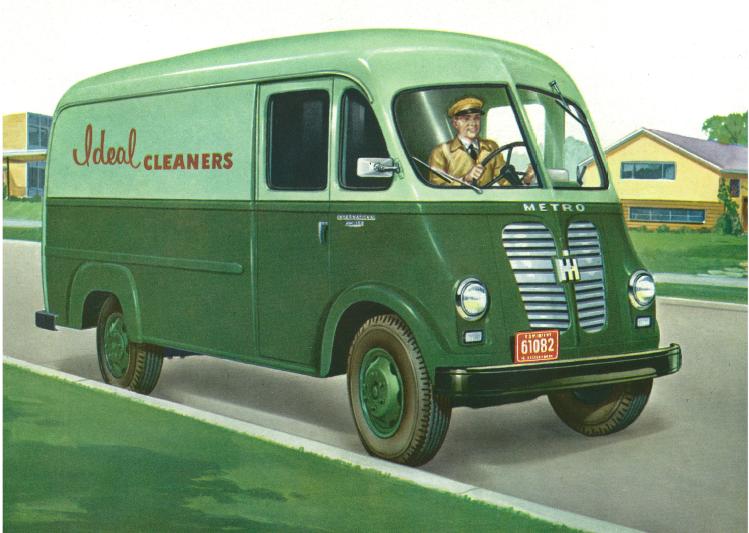
Metro VanInternational Metro Van

The interior of the truck had an aisle wide enough for an adult person to walk to the rear-entry door, which on some trucks slid up into the roof, while on others opened outward. Facing the aisle on either side were shelves and racks, holding trays of baked breads, fried donuts (French, my favorite), cakes, cake donuts, and other goodies like éclairs and special- order dinner rolls.
bread truck insidesTRUCK INSIDES

A pile of white unfolded delivery boxes near the front of the truck needed to be assembled. So here I became the under-age bakery-truck-driver helper. (My dad called me his needed “help,” often disappointed when I could not go with him.)

Traveling to each stop, whether in South Chicago or Gary, Indiana, I would assemble a box (or boxes) and “put up” the orders. I followed the route book of cards held together with two large rings. A dozen this, two dozen that; ten loaves of rye; a dozen extra-large white (sliced square bread, pound and a half loaves or two-pound loaves), wrapped in waxy white paper.

File name: D060245 Description: Loaf of white sliced brad Photographer: Jennie Hills Science Museum Date: 12/05/06 Colour Profile: Adobe RGB (1998) Gamma Setting: 2.2THE BEST THING…SLICED BREAD 

The usual first stop was at 6 a.m. Sometimes my dad had a set of keys to enter a diner or neighborhood restaurant. I’d hop off the truck, knowing the correct key, and open the door. He’d be behind me, with boxes in arms, or loaves in hand.

Put the order on the counter–or change an order. Lock the door. Lights out? “Get ‘em up! Let’s go!” And off we’d go. Next stop. The routine. I’d turn over a route card–or may even have had the next order “prepped.”

And so it went…

I entered high school. My dad continued for many more years, mostly without me as I took other jobs–though I might rarely be his help as much as I could.

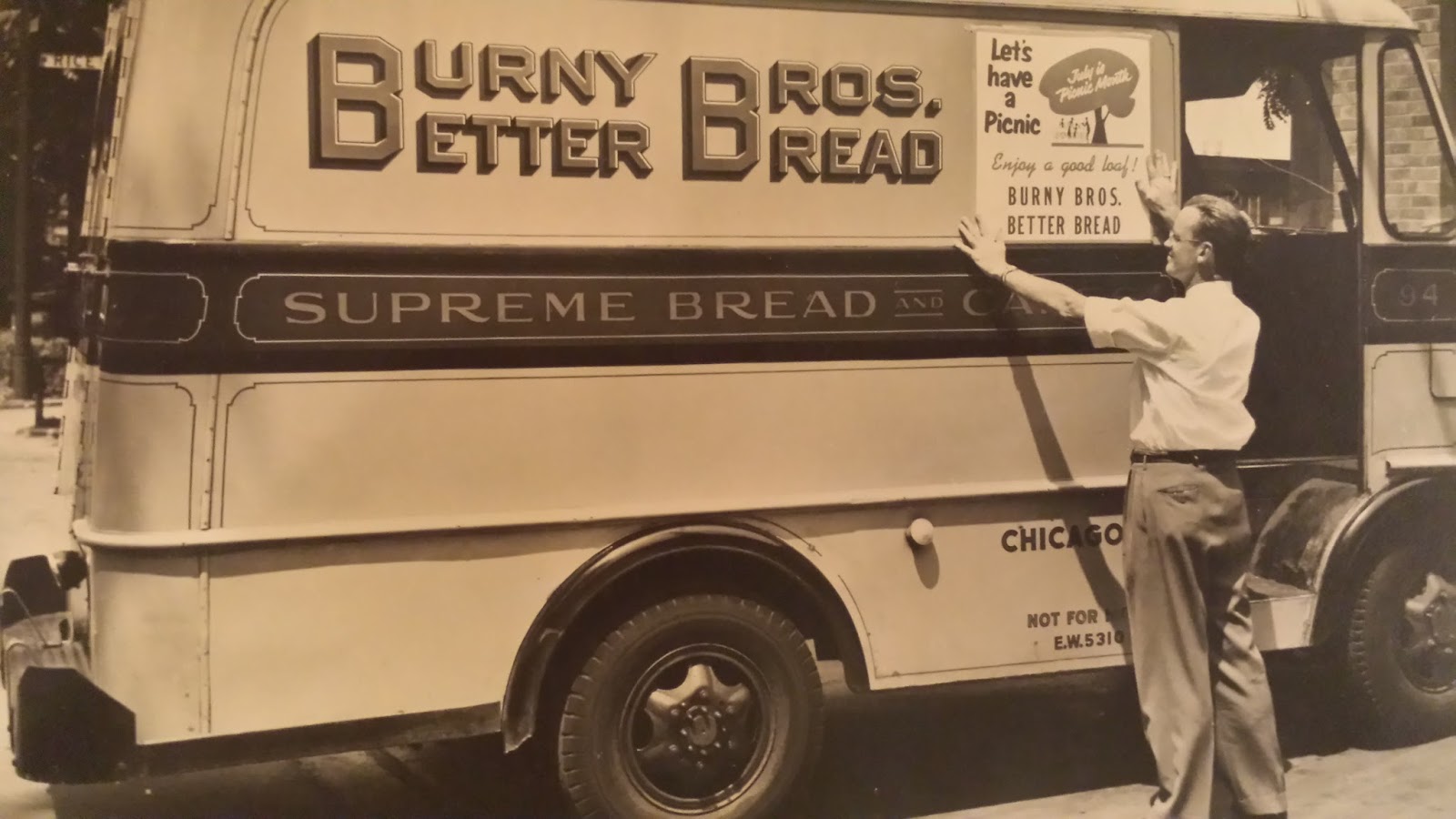
Vienna-Model became Deppe-Vienna; Deppe-Vienna became part of “Burney Brothers Better Bread.”

burney brothers better breadBURNEY TRUCK 

My dad retired.

The End.

-30-

But…those memories. These little stories and anecdotes that occurred within those times. Anecdotes containing wisps of smiles or frowns, accidents and missteps that led to my growing or growing years:

Images of smiling chefs readying piles of shrimp for 5-star restaurant diners. My starting the engine of the truck trying to “help,” not knowing the purpose of a clutch… Driving skills learned from my dad: Quickly preparing a dozen mixed donuts for policemen at 5 a.m. (Was that a red light?) Hearing once–and only once in my entire life–my dad shout “F**K!” (not “fork”). Seeing my dad work hard, really hard, in awful Chicago weather. My learning maps and directions, my way around Chicago; my planning truck delivery routes, and eating delicious meals free from favorited favored customers (my first T-bone steak!).

OK: it wasn’t always sweets and good times, especially being a back-seat sleeper, early riser. Nevertheless, what fun (mostly) I had.

And the memories: Ah, the memoriesofatime.

Each of us has had some kind of special relationship with maple-frosting long johns, or custard-filled bismarcks, or finger-lickin’ sugared donuts–a relationship that began in childhood. I, on the other hand, had a special relationship with my dad while in his bread truck, driving around the streets of Chicago, probably eating a favorite French donut. What good luck!

I hear him often in my mind’s ears: “Get ‘em up! Let’s go!” “Sweets” to my ear.

* * *
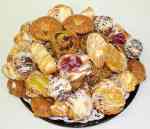
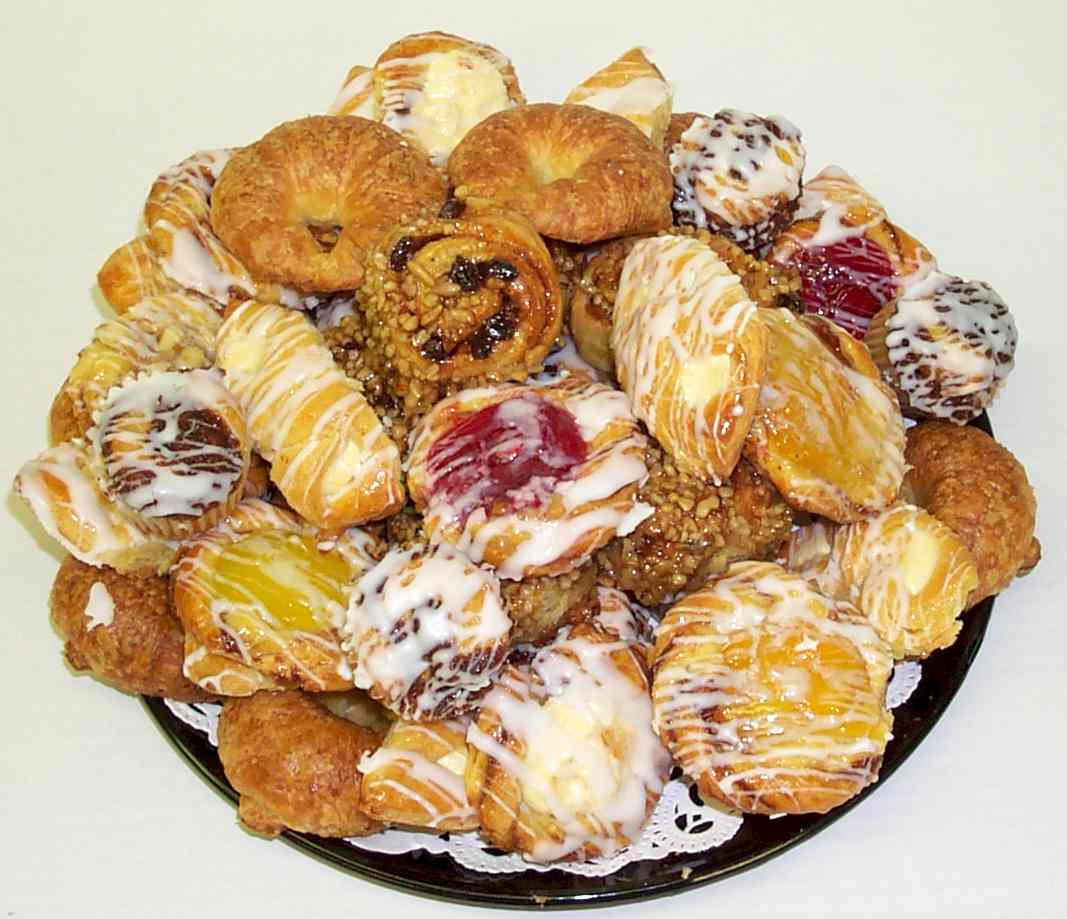
sweet rollsYUMMY BAKERY GOODS: SOME BAKERY!

NOTE: About the title: Grammarly, it’s ok in Chicago. We knew that “going to get some bakery” meant dozens of donuts or apple slices or various “sweet rolls” (almond, cheese, cherry, lemon, pecan, etc.) We weren’t on a mission to “buy some bakery company”

So, “Wanna’ come with? To get some bakery?”

© James F. O’Neil 2015

BY: JAMES F. O’NEIL

I have been a War Lover as long as I can remember. I loved John Wayne as a military hero: Flying Tigers, The Fighting Seabees [the word “Seabee” comes from initials “CB” which in turn comes from the term Construction Battalions], They Were Expendable, Sands of Iwo Jima:

john wayne sands of iwo jimaJohn Wayne

 Then Steve McQueen, in The War Lover or Hell Is for Heroes or The Great Escape.

 I grew up with Two-Fisted Tales comics, and Frontline Combat.

 frontline combatFavorite War Comic Book

“CALL UNCLE BILL!” my mother shouted from the bathroom. He came on a Saturday morning, March 10, 1951. Off I went to see The Steel Helmet at the Ogden Theater in Chicago (at 63rd and Marshfield, a favorite place I could walk to). And after the movie–VOILA!–I had a new baby brother. That was neat. Go to the movies–and get a brother. (That is one of my fondest memories of a time–and one of my favorite movies, yet to this day.)

And then, older, I became so aware of content and history. In addition, after years with studying and teaching Shakespeare–and reading of war, like The Iliad and The Aeneid, like For Whom the Bell Tolls or All Quiet on the Western Front–I realized that if the essence of a tragedy is our awareness of the WASTE OF GOOD, then surely the essence of war is double tragic: waste upon waste.

I asked, What of this loss of all that is good or could be good in a man?

War brings out the worst: disregard for all that has been taught to be valued, to be sacred: life and property, manhood itself. It is often a rite of passage, a ripping from the womb of adolescence or youth (or younger, with boy-soldiers), tearing at morals, sensibilities, a sense of love and decency. And war tears apart, rips from limb to limb, often literally.

This is nothing new: we have wars, we live war. Some live for war itself; for some, it is a job, maybe even a duty. Sometimes only the players change; sometimes the same territory is fought over and paid for again and again, in human life, in human misery.

Arma virumque cano: “I sing of arms and the man,” Virgil put it so aptly many years ago (29-19 BCE) in a “great” war story. However, what is so “great” about a war story, so great that I “love” such tellings of action or characters in military situations.

A war story is truly a work of art, a play that pits human against human in extremis, in the extreme. It is a show from an artist’s perspective, a show of good and goodness–if such is possible in this Game of War, which relates hurt and hurting, winners and losers, death and destruction.

“Art is not truth. Art is a lie that makes us realize truth, at least the truth that is given us to understand. The artist must know the manner whereby to convince others of the truthfulness of his lies,” said Picasso (1923). The artist of war, as in Guernica, shows the truth of the story: that war IS hell, that war IS a double tragedy, that the truth of war needs to be told, to be shown: heroes die, we die. Death is real: portrayed, acted, dramatized.

guernica Guernica

Of course, there is often much more to it: morality, politics, history–even theology (a story of gods and about God, perhaps?). For me, however, it is character (Saving Private Ryan), story (The Hunt for Red October), emotion (even with Barber’s “Adagio for Strings” mournfully played while I watch Platoon, tugging at my senses). Sometimes I cry, I mourn, I laugh (even); I am moved. I often think of the artist trying to exorcise his devils (Shakespeare’s “war” stories like Othello?), showing the waste of souls (like Apocalypse Now), or relating war’s errors and futility (A Bridge Too Far).

I am a War Lover. I have my favorites, even those about love-in-war (like The English Patient). But I do hate war and what necessitates it and what it does solve or not solve. Yet I am not a “hawk” by any means. Nevertheless, I have accepted the reality of it. And I am aware as an American citizen that I am a recipient of the spoils of war (The Patriot). And so it goes (SlaughterhouseFive). Perhaps, someday–highly unlikely–we may experience A Farewell to Arms.

© James F. O’Neil   2015
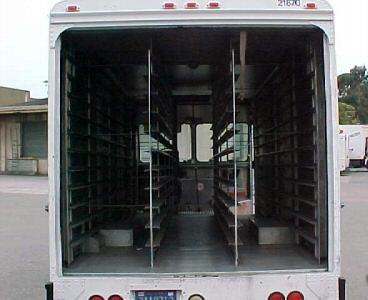
ADDENDUM: Full Metal Jacket was recently “voted” the best war movie ever made–arguably, very arguably. Stanley Kubrick’s film was “victorious” in a title matchup of Military Times‘ “Military Movie Madness,” downing Patton by a sizable margin vote to determine the best military movie ever made.

full metal jacket