Archive

PEOPLE

By: James F. O’Neil

“Who is John Galt?”  —Ayn Rand, Atlas Shrugged (1957)

In this Ayn Rand book, characters are searching for a mysterious man but also searching for answers as to why things happen the way they are happening.
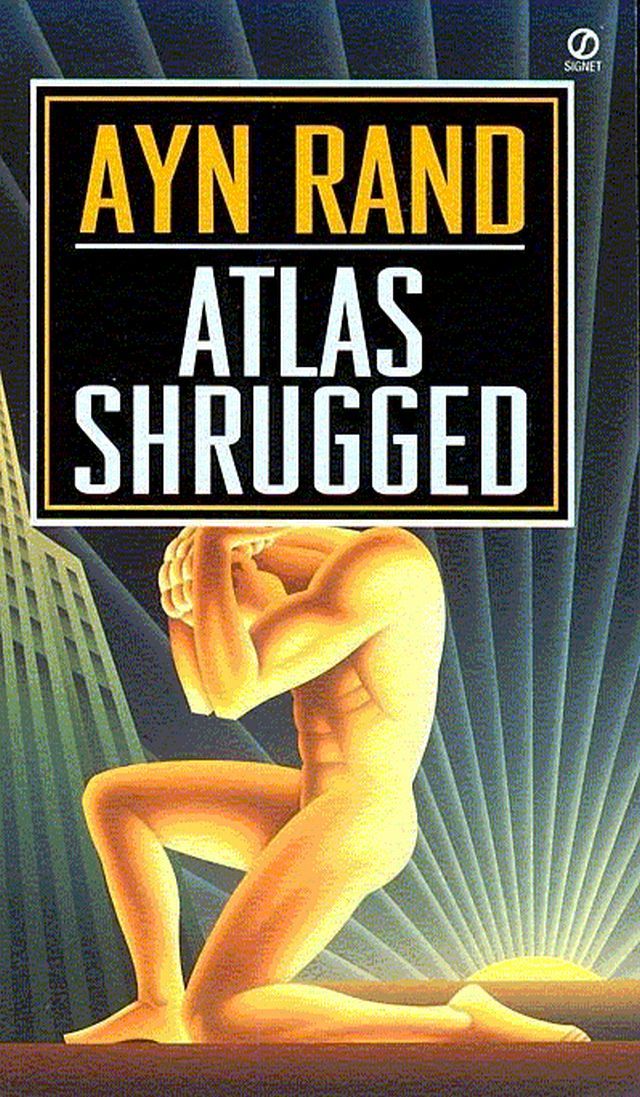
atlas-shrugged-coverAtlas Shrugged Book Cover

Things happen.  Not often explainable.

“If you don’t know where you are going, any road will get you there” is often attributed to a Cheshire cat and Lost Alice in Wonderland.  Lewis Carroll did not really write it exactly that way, but the famous quote now grows up with us–and the “story” is more “real” than the fact.

Alice and the Cat imgfave.com

Pic courtesy: imgfave.com

Alice and the Cheshire Cat

Now that is the essence of my search: “Where are we?” and “Who is Phil McCool?”

Here is my “real” story….

Automobiles have always played a part in my growing up: our ’37 Plymouth, the ’49 black and beautiful Ford, the green ’50 Chevrolet, and then the 1956 Chevrolet (which I learned to drive).  In these cars, we made trips and traveled to parts of Chicago to visit relatives, to attend dances, to laugh and dance in beer gardens, to see movies at the drive-ins, to have picnics, to take someone to school or to work. 

Our travels together, our games in the car together, were usually orderly and educational: songs, stories, reading, quizzes, and geography lessons.  Our family travels allowed all four of us kids to learn geography, the layout of Chicago and its suburbs–and farther. 

My mother possessed an in-born compass that came with her from birth: She always knew how to get where we were going–or were supposed to go.  My truck-driver dad knew the city and his bakery-truck delivery routes.  Sometimes, though, on more occasions than I can count, we’d all be sitting in someone’s driveway or on a strange street, looking to find our way. 

My mom and dad had to work it out before we began moving again.

The “conversation” went mostly like “I know where I am.  I’m turning here.”  Then into some strange driveway, pulling in, stopping, then backing out and turning around from whence we came.

We found our way.  And when young, we kids never questioned anything.

One time, though, that all changed.  I can hear my sister now, as the ’50 Chevy made its way slowly into an unfamiliar driveway, or maybe an alleyway.  There was a pause.  Brake.  Stop.  Clutch.  Reverse.  Motion.  “Where are we?” she dared ask.  Or maybe it was, “Who lives here?”  Without a breath of hesitation, my dad answered, “Phil McCool.  It doesn’t look like he’s home.”  And we backed out and away, to somewhere.

Thus began the question that got the answer–always: “Where are we?”  “Phil McCool’s.”  And we knew no different for losing our way.  We were never lost: we were making our way to Phil’s Place–geographically located in disparate parts of the city and in Cook County, in assorted neighborhoods, or in parts of downtown.

I never, ever, remember pulling into a gas station, hearing my dad ask for directions.  With Mom’s internal, innate GPS, my dad’s driving skills (Mom never learned to drive–ever), and Phil McCool in so many destination places, there was never a need for directions (or maps) to anywhere.

As we aged, Phil became a relative of ours, a member of the family, our personal “I-don’t-know-where-we-are.”  When our boys were little, sitting in the back of our ’66 VW Square back as we made our travels from Chicago to Wisconsin to Minnesota–and around other parts of the country–they heard often their mom and dad discuss (quietly, of course) direction or location, or whether the strange house we were in front of was Phil’s.  “Who’s Phil?”  They were told, “A friend.  He’s not home,” as I backed out of a driveway, or pulled away from a curb in front of a strange house….

Phil McCool lives….

He is that Irish friend of mine with me from childhood, who now helps me find my way when I am in need of direction.  He might be that friend of Dad’s who helped him so often find the right street or address for a delivery.  But mostly he remains for me a treasured memory of a sister boldly asking for the first time, “Are we lost?” 

And never having to ask that again.  We were never lost.  We always arrived somewhere–at Phil’s, maybe first–and then we found our way.  Somehow.  (And that might have involved even later, my asking an attendant at a gas station.  The Giver-of-Aid might have been Phil.  Never know….)

*    *    *

ADDENDUM

From The Story of the Irish Race by Seumas MacManus (1921; 1982):

p. 731: MacCool, Finn (Fionn MacCumail), 64ffp. 730: Fionn MacCumail (Finn MacCool), 64ff: (p.64) Chapter XIII: Fionn and the Fiann         “Fionn MacCumail (Finn MacCool), leader of the Fian (Feninans), …lived and died in the third century of the Christian era.”  [A.D. 283]

(p.65)  The Fian: “…a great standing army of…daring warriors, whose duty was to carry out the mandates of the high-king–‘To uphold justice and put down injustice,…’”

Finn McCool's Pub finnmccools.com

Courtesy: finnmccools.com

 FINN MCCOOL’S

 (“…a Pub named after Finn McCool, the legendary giant of Irish folklore,…”)


©  James F. O’Neil  2013
By: James F. O’Neil

“Home is where one starts from.”  –T. S. Eliot

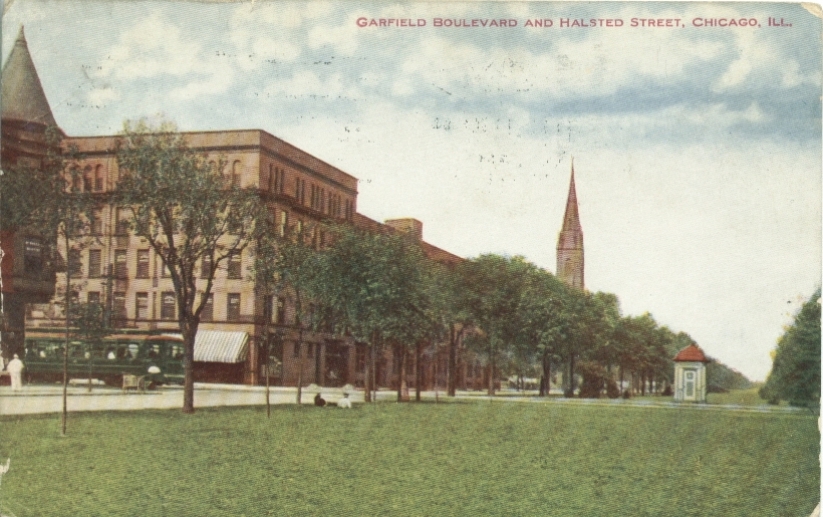
I used to fly in my dreams.  Drs. Freud and Jung were not worried that I crashed, got up, ran up four flights of stairs, and flew again.  My favorite crash-site was the dirt and dirty non-grassy courtyard behind the Byrne’s Building.  This magnificent brownstone of four floors and some seventy-five apartments faced the beautiful grass-center of a divided Garfield Boulevard on the South Side of Chicago. 

garfield blvd & halsted chicagopc.info garfield blvd 50 chucksViews of Garfield and Halsted 

The apartment had its beauty and elegant layout, well planned by architects to house the growing middle-class of Germans and Irish whose ancestors slaved in The Back of the Yards (the stockyards), but who could not yet afford their own houses.

This structure was part of the South Side I knew best, bordered by Garfield-55th, Halsted, and Green streets. 

The building has disappeared from Google maps, having been demolished some time in the late 1970s.  Yet it remains an important place where my memories reside and continue to live–and a place to which I return often.

We moved from South Marshfield to Green Street.  Our new home in the Byrne’s Building gave us…four flights of stairs, little privacy (with its eight apartments to an entrance), noisy back porches seen by all other back porches, and less room. 

And the Byrne’s Building had bed bugs.  Soon after we moved in, I can remember my dad with his bar of soap, trying to catch the buggers, in the front bedroom off the living room, which my baby brother shared with my parents.  Whomp!  Whomp!  Whomp!  went the bar of soap against the mattress–and the tearing sound as my mom pulled down the wallpaper.   

The Wonder Years for me began there, the early adolescent years, the new high school years, my growing years–years that provided me with countless memories.  The wonders that were part of my life there included illnesses and happinesses, graduations and birthdays, family celebrations and holidays, freezing Chicago winters and street-softening summers.  And a place where dreaming, I fell to the ground, or flew to the dirt center, crash-landed–then being resurrected, then awakened.

I was comfortable, I recall, in the larger bedroom with one brother and the bunk beds.  Its window opened into the void between the walls of the building, that emptiness adjacent to eight sets of bathroom windows, the stale air–and sky–and the laughter and crying and more.  Closed, the window provided some relief from neighbors in summer. 

My desk for high school subjects faced the window my mom tried to decorate.  The beds for us were next to the wall and the ornate sliding door, once dividing the living room (the parlor) from the sitting room in the brownstone elegance of a time gone past.  Now the door was squeezed open for air–and for eavesdropping.

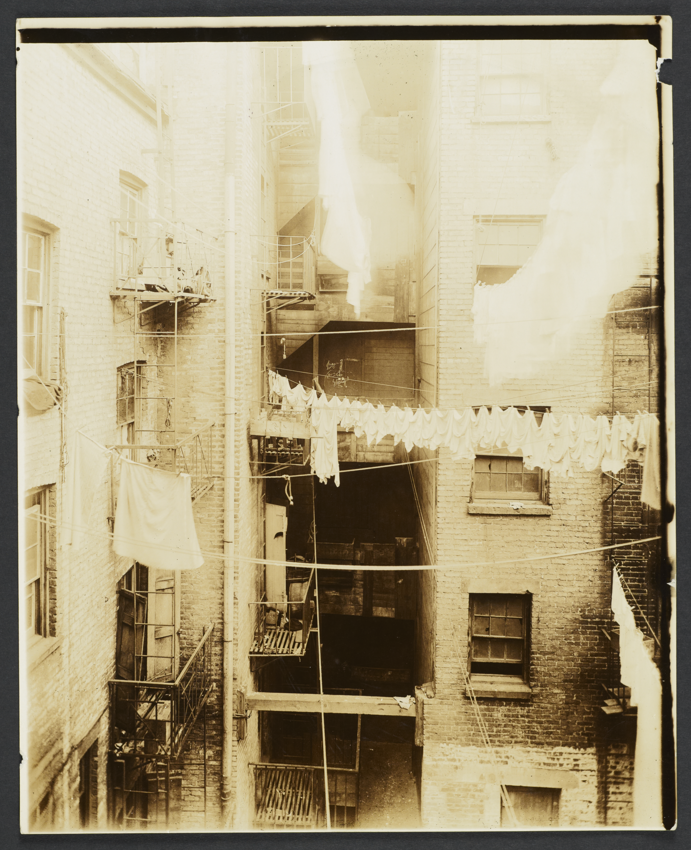
And then another summer on the fourth floor, staring down into our back yard: at clothes lines on pulleys, like a maze of crossed telephone wires, attached to the Power House; at children playing marbles in the dirt, or pushing baby buggies through the moonscape called a playground, without any grass, and maybe some few weeds; at the dirt devils, twisting their way around and through neatly-hung clothes, and clothes lines, those clouds of dust from Windy Nowhere; at the center of the yard, my crash site of dreams, with no fear of flying….

clotheslines  css.cul.columbia.educatalogrbml_css_0224

Laundry and Clothes Lines Pic: Columbia U.

 © James F. O’Neil   2013

By: James F. O’Neil

Many years ago, I had written a piece about the uses of food in the movies: “What Is Dirty Harry’s Favorite Food?”  [Florida English Journal 24.2 (1988)]

What fun I had doing that piece.  It was “popular writing,” not too academic.  Going through my published writings recently, looking for something, I re-read my food-in-the-movies essay.  I was curious about what recent critics might be making of the food theme.  So I did an Internet search for more examples than I had in the past.  Lists now abound with favorite movie-scenes-with-food, or best food films.  YouTube is also with us, allowing us to see eatings and food fights, feasts and gatherings.

I have seen many more food movies in the past twenty years.  I cannot even give an accounting.  Yet my short list always includes Chocolat and Tortilla Soup.  I am pleased, for sure, that Tampopo and Like Water for Chocolate still remain among some “Best Ten Food Movies”–of all time.

I will always be able to watch Splash, with that Tom Hanks guy and Darryl Hannah–and the lobster-eating scene.  Contrast that with lobster eating in Flashdance.  Film classics both.  Can we ever forget that annual turkey in Christmas Vacation?

And others?  The Big Chill, with food used as a device, over a period of days of mourning, to gather people, friends brought together, allowing them to talk.  Fried Green Tomatoes: I have always liked Bar-B-Q….  Poor Popeye, the detective, in The French Connection, freezing, stakes out the French restaurant while the “bad guys,” warm inside, enjoy a sumptuous repast.

And what about all that cooking by Meryl Streep as Julia Child in Julie & Julia?

I have my favorites: Mrs. Doubtfire, Pretty Woman, the Last M*A*S*H Supper, The Hours,The Hunger (1983), and Ratatouille.  Many others deserve a mention of my past likes; but Kramer vs. Kramer is still #1.  Food is essential to the action of the film: food “works” in this movie, having the main characters and food interact, father-son interaction.  The eating scenes represent movement from chaos to harmony.  Yes, food can do that.

And remember what Dirty Harry eats and what he thinks of ketchup?  No?

“Nobody, I mean nobody puts ketchup on a hot dog.”  (Sudden Impact, 1983)

© James F. O’Neil  2013

Lady and the Tramp SERIOUSEATS.COM

Coming Together. Photo: seriouseats.com

By: James F. O’Neil

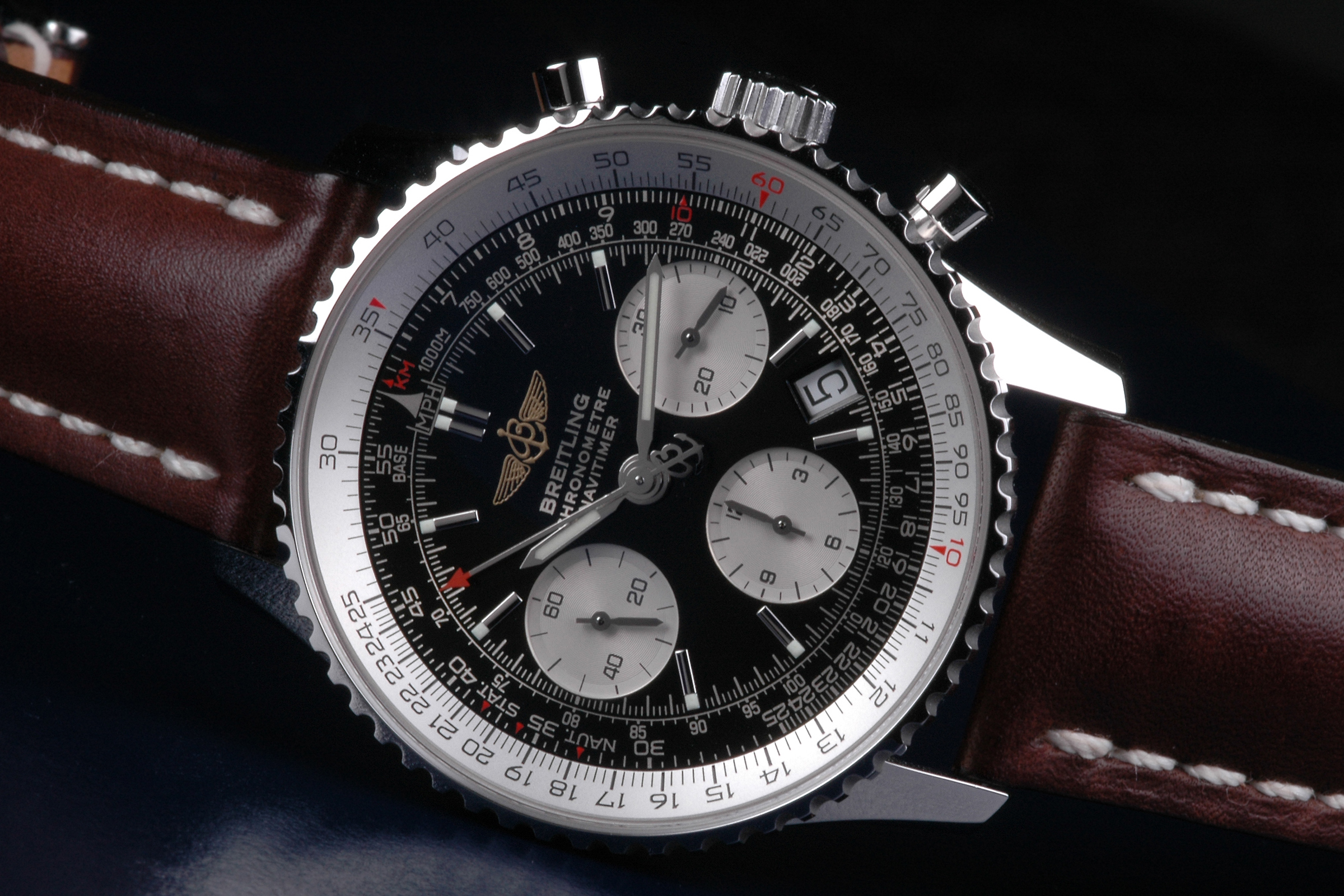
Some watches I’ve admired–even desired–have been very expensive pieces of jewelry.  On a trip once from Minnesota, the man next to me on the plane was a commercial pilot.  Instead of talking with him about flying in bad weather, long flights to Europe, or cockpit boredom, I asked him what kind of watch he wore.  This was important to me.  Breitling.  Navitimer.  “Instruments for Professionals.”  Of course. 

Breitling-Navitimer  credit wikipedia

Photo credit: Wikipedia

Breitling Navitimer

My stainless steel Seiko is supposed to run for 77 years, as long I move.  I figured it would be my last watch, since it would stop when I reached 120 years old, or so.  It has stopped twice; it needed a new power storage unit. 

So do I need a new watch?

What is the real purpose of a watch?  To tell the time: Am I late?  Am I finished working?  What time do I need to get there–and how long yet do I have?  Really, that’s all I need it for. 

Something else I need: Every watch I’ve owned that was not stainless has corroded.  My biology reacts with the metal or plating; corrosion results.  Only stainless–or gold–for me.

I used to have a gold pocket watch, with fob and chain.  It’s gone…

c d peacock gold watch liveauctioneers.com

Photo credit: liveauctioneers.com

C.D. Peacock Gold Pocket Watch

Hardly anyone wears a pocket watch anymore.  Perhaps there is something too fancy about the vest that must accompany the pocket watch, something too pretentious or ostentatious about the fob.  However, not wearing a pocket watch can be exciting, just the same: having it, seeing it, or touching it can be as exciting as wearing one‑‑perhaps even more so‑‑especially an old watch that belonged to someone special. 

An old pocket watch is something special, like having an occasional fine meal. 

A person who possesses such a watch‑‑man or woman, for such watches come in styles for both sexes‑‑is uniquely joined to a piece of history, the past, a period of time.  On the other hand, the remembrance of a watch might belong to a memory of a particular person.

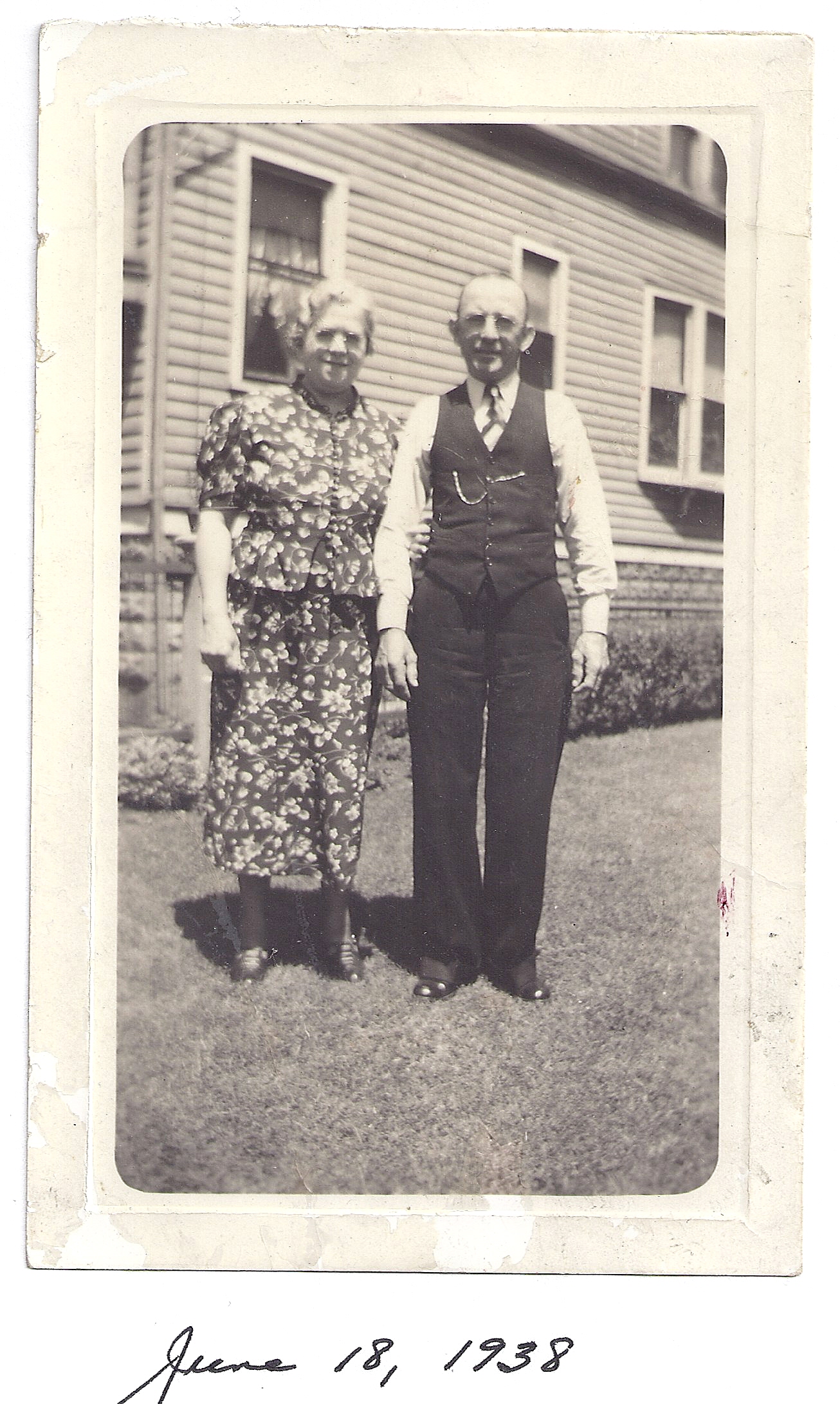
My Grandpa Schuma had a pocket watch.  He wore a vest most of the time around the house, after he came home from work (the 1940 Census states “Lamp Cleaner, Park District”), or after he spent an afternoon in the garden or in the home workshop.  He always wore a vest on Sundays.  I remember the puffed sleeves of his long‑sleeved shirt–and then the fob, the gold light in the sun.

G'Ma & G'Pa Schuma 1938

Grandma and Grandpa Schuma

He learned the time of day on the watch after making a smooth, swift, artfully accustomed movement of the right hand and arm, into the smallish watch pocket, taking out the watch pressing the stem with thumb to flip open the gold cover that now rests against his first two fingers looking at the time while he purses his lips closing the lid‑‑”Snap!”  ‑‑with the same two fingers and thumb and returning the bulky piece of gold‑filled and jeweled mechanical perfection to the safety and silky softness of the pocket…  “Quarter‑past four.”  “Half‑past eight.”

I remember that, those moments of flourish. 

My memory of the movements Grandpa made makes me feel good.  I enjoy these memories of that time and that person, with memories of the comfortable times, the good times: the warmth of the past, the affections of the past, and even the bit of elegance that goes with the past–especially the elegance of a common, yet dignified, working man, who always wore a vest on Sundays.  With that special watch.                               

© James O’Neil  2013